
Ahmedabad
08048034847

Products

6814772a5d263414004dd4a4 Card 2

product image
Industrial Chemical

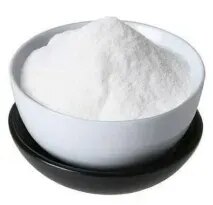
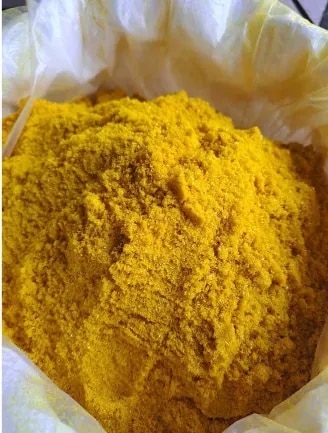
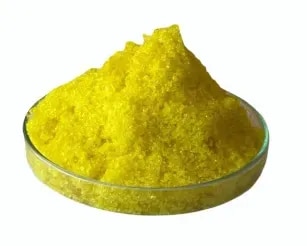
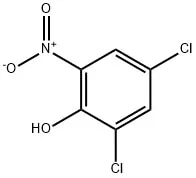
2,4-Dichloro-6-Nitrophenol (CAS 609-89-2, C6H3Cl2NO3, MW 208.00 g/mol) is a high-purity, halogenated nitroaromatic compound widely used as a key building block in organic synthesis, crop protection, and clinical research. Appearing as a yellow to orange crystalline powder, it combines the chemical properties of a chlorinated phenol with a strongly electron-withdrawing nitro group. This unique molecular architecture offers highly specific reaction pathways, enabling selective substitution and coupling reactions. This compound serves as a vital specialty intermediate across several highly technical industries. In the agrochemical sector, it is utilized as an essential precursor for manufacturing advanced herbicides, fungicides, and selective crop-protection agents. In pharmaceutical R&D, its reactive structural framework is employed as a key synthesis intermediate for developing novel drug candidates and active pharmaceutical ingredients (APIs). Additionally, it is used in the manufacturing of specialized textile dyes, technical pigments, and as a biochemical reagent in diagnostic and analytical laboratory research. Under GHS classifications, 2,4-Dichloro-6-Nitrophenol is designated with the Danger signal word. It is harmful if swallowed, in contact with skin, or if inhaled, and can cause skin irritation, serious eye damage or irritation, and an allergic skin reaction (H302, H312, H332, H315, H317, H318). Standard safety protocols dictate handling this chemical with complete personal protective equipment (PPE), including chemical safety goggles, protective gloves, and respiratory masks. Store the material in airtight, light-resistant containers in a cool, dark, and dry environment to prevent degradation and protect it from incompatible strong oxidizing agents. We supply high-purity 2,4-Dichloro-6-Nitrophenol (99.0% by HPLC) to support both commercial production and research applications. Standard packaging is available in robust 25 kg fiber drums or customized, tightly sealed moisture-resistant containers. Technical documents including Certificates of Analysis (COA) and material testing samples are available upon request
6814772a5d263414004dd4a4 Card 2

product image
Industrial Chemical

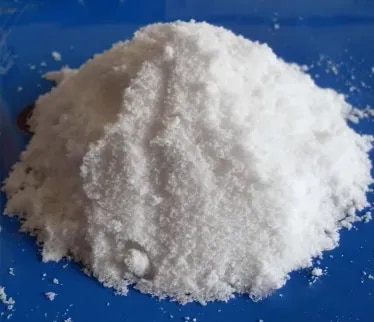
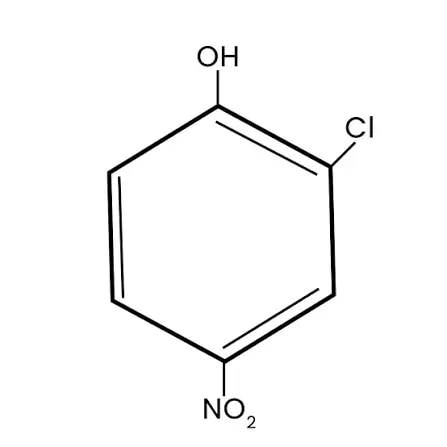
2-Chloro-4-Nitrophenol (CAS 619-08-9, C6H4ClNO3, MW 173.55 g/mol) is a premium, high-purity halogenated nitroaromatic compound widely utilized as a key building block in agricultural, pharmaceutical, and dyestuff synthesis. Characterized by its appearance as a light yellow to tan crystalline powder or needles, it exhibits a distinct melting point range of 108°C to 112°C. While it is only sparingly soluble in water, it dissolves readily in common organic solvents, including ethanol, ether, acetone, and hot benzene, offering high reactivity for diverse chemical formulations. This functionalized phenol serves as a vital intermediate across several specialized manufacturing sectors. In the agrochemical industry, it is widely utilized as a core precursor for synthesizing high-performance insecticides, selective herbicides, and crop protection agents. Its structural layout makes it highly valuable in the pharmaceutical sector for the developmental synthesis of active pharmaceutical ingredients (APIs), particularly targeted antimicrobials and organic therapeutics. Additionally, it is used as a chemical intermediate in the production of specialized azo dyes, pigments, and pH indicators for industrial and analytical applications. Under GHS regulations and international transport standards, 2-Chloro-4-Nitrophenol is classified as a hazardous material (UN 2811, Class 6.1, Packing Group III). It is harmful if swallowed, inhaled, or absorbed through the skin, and causes skin irritation, serious eye irritation, and potential respiratory tract irritation (H302, H312, H315, H319, H335). Standard B2B safety protocols require handling with proper personal protective equipment (PPE), including protective gloves, safety eyewear, and dust respirators. It must be stored in a cool, dry, and well-ventilated warehouse, kept tightly sealed in its original containers away from direct heat, strong bases, and powerful oxidizing agents. We supply commercial-grade 2-Chloro-4-Nitrophenol with a guaranteed purity of 99.0% (by GC/HPLC). Our standard packaging includes robust 25 kg fiber drums lined with moisture-resistant bags, with custom bulk quantities, complete technical data sheets (TDS), and evaluation samples available upon commercial inquiry.

6814772a5d263414004dd4a4 Card 2

product image
Industrial Chemical

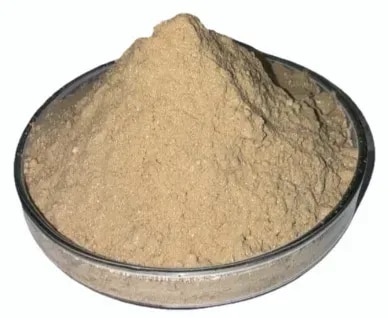
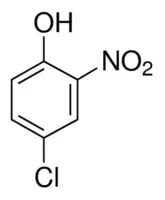
4-Chloro-2-Nitrophenol (CAS 89-64-5, C6H4ClNO3, MW 173.55 g/mol) is a high-purity, halogenated nitroaromatic compound widely utilized as a versatile intermediate in industrial organic synthesis, agrochemicals, and dyestuffs. Appearing as a light yellow to yellow-beige crystalline powder or needles, it features a distinct aromatic odor, a melting point of 86°C to 89°C, and a boiling point of 259°C. It is slightly soluble in water but dissolves readily in hot alcohol, ether, benzene, and chloroform. In commercial manufacturing, 4-Chloro-2-Nitrophenol is a critical precursor for the synthesis of advanced crop protection agents. It is heavily utilized as a core building block to manufacture high-efficiency selective herbicides and fungicides. In the textile and cosmetic industries, it serves as an essential intermediate for producing azo dyes, sulfur colorants, and specialized pigments. Furthermore, its unique substituted phenolic structure is widely used in the pharmaceutical sector for the development of active pharmaceutical ingredients (APIs), including various antimicrobial and antifungal agents. Classified under GHS and international shipping regulations as a hazardous material (UN 2811, Class 6.1, Packing Group III), it is harmful if swallowed, causes skin irritation, serious eye irritation, and may cause respiratory irritation (H302, H315, H319, H335). Industrial handling requires mandatory compliance with safety protocols, including the use of chemical-resistant gloves, safety goggles, and proper respiratory protection. It must be stored in a cool, dry, and well-ventilated warehouse, kept tightly sealed in its original containers away from direct sunlight, open flames, strong bases, and strong oxidizing agents. We supply premium industrial-grade 4-Chloro-2-Nitrophenol with a guaranteed purity of 99.0% (by GC). Standard commercial packaging is available in robust 25 kg fiber drums lined with protective bags. Custom packaging, technical data sheets (TDS), and verification testing samples are readily available upon request to support your manufacturing requirements.

6814772a5d263414004dd4a4 Card 2

product image
Industrial Chemical

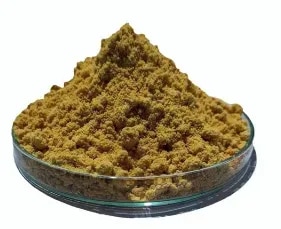
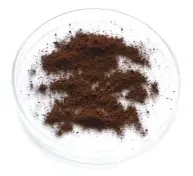
2-Amino-4-Chloro-6-Nitrophenol (also known as 5-chloro-2-hydroxy-3-nitroaniline, CAS 6358-08-3, C6H5ClN2O3, MW 188.57 g/mol) is a highly specialized, polyfunctional organic compound widely utilized as a key intermediate in the chemical synthesis, dyestuff, and pharmaceutical industries. This compound typically appears as a yellow, amber, or dark red crystalline powder with a melting point range of 145°C to 149°C. Structurally containing reactive amino, nitro, and chloro substituents situated on a phenolic ring, it offers a highly versatile reaction profile optimized for sophisticated organic coupling and synthesis. Industrially, 2-Amino-4-Chloro-6-Nitrophenol is primarily utilized as a vital dye intermediate. It is heavily employed in the formulation of high-performance azo dyes and metal-complex dyes, which are widely applied in textiles, inks, and specialized printing. Furthermore, it serves as an essential colorant and dye precursor in permanent oxidative hair coloring formulations, providing excellent color stability, depth, and resistance to fading. Beyond dyestuffs, this functional molecule is used as a reactive building block in the synthesis of advanced agricultural chemicals and complex pharmaceutical active ingredients (APIs) requiring halogenated or nitro-substituted aromatic frameworks. Under GHS hazard classifications, this chemical is identified with a Warning signal word. It is classified as an irritant that can cause skin irritation, serious eye irritation, and potential respiratory tract irritation (H315, H319, H335). Standard industrial hygiene practices require handling with appropriate personal protective equipment (PPE), including protective gloves, safety goggles, and respiratory masks. It must be stored under a dry, inert atmosphere in a cool, dark, and well-ventilated space to prevent light-sensitive and atmospheric degradation. We offer premium-grade 2-Amino-4-Chloro-6-Nitrophenol with a guaranteed purity of 98.0% (determined by GC/titration). Standard packaging is available in secure 25 kg fiber drums with moisture-resistant inner liners. Custom bulk packaging, Certificate of Analysis (COA) documents, and testing samples are available upon request to meet your production requirements.
6814772a5d263414004dd4a4 Card 2

product image
Industrial Chemical

2,4,6-Tribromoaniline (CAS 147-82-0, C6H4Br3N, MW 329.82 g/mol) is a premium, high-purity halogenated aromatic amine. Characterized by its appearance as white to light yellow needle-like crystals or powder, this compound features a melting point of 118°C to 122°C and a boiling point of approximately 300°C. It is practically insoluble in water but exhibits excellent solubility in organic solvents such as hot ethanol, chloroform, ether, and benzene. Industrially, 2,4,6-Tribromoaniline serves as a highly vital chemical intermediate and specialized additive. Its heavily brominated structure makes it an exceptionally effective flame retardant intermediate for polymers, resins, and electronic materials. In the dye and pigment manufacturing sectors, it is a critical building block for synthesizing specialized azo colorants and indicators. Additionally, the compound is widely utilized as a precursor in organic synthesis for pharmaceutical active ingredients (APIs), functional additives, and agricultural crop protection agents. Under GHS and international shipping regulations, 2,4,6-Tribromoaniline is classified as a hazardous material (UN 2811, Class 6.1, Packing Group III). It is harmful if swallowed, causes skin irritation, serious eye irritation, and may cause respiratory irritation (H302, H315, H319, H335). Standard industrial hygiene protocols require handling this substance with proper personal protective equipment (PPE), including dust respirators, chemical-resistant gloves, and eye protection. It must be stored in a cool, dry, and well-ventilated warehouse, kept tightly sealed in its original packaging away from strong oxidizing agents and direct heat sources. We supply commercial-grade 2,4,6-Tribromoaniline with a guaranteed purity of 99.0% (by GC/HPLC). Standard commercial packaging is available in robust 25 kg fiber drums lined with protective bags. Custom packaging sizes, Technical Data Sheets (TDS), and verification samples can be provided upon request to support your manufacturing or R&D requirements.

6814772a5d263414004dd4a4 Card 2

product image
Industrial Chemical

3-Amino-4-Chloroacetanilide (also known as 3'-Amino-4'-chloroacetanilide or 5-acetylamido-2-chloroaniline, CAS 51867-83-5, C8H9ClN2O, MW 184.62 g/mol) is a high-purity organic building block and a highly reactive aromatic intermediate. Appearing as a white to gray or light brown crystalline powder with a melting point range of 170°C to 176°C, this acetanilide derivative features a unique molecular layout. By possessing both active amine and protected amide functional groups alongside a chlorine substituent on the benzene ring, it offers a highly versatile reaction profile for advanced chemical synthesis. As a specialized chemical intermediate, 3-Amino-4-Chloroacetanilide is widely utilized in industrial and laboratory settings. It serves as a vital precursor and building block for the synthesis of complex nitrogen-containing heterocyclic compounds, specialized azo dyes, and high-performance technical pigments. Additionally, its structural framework is utilized in the developmental synthesis of advanced agricultural chemicals and active pharmaceutical ingredients (APIs), where selective coupling, diazotization, or condensation reactions are required. Under GHS hazard classifications, this compound is identified as an irritant. It causes skin irritation, serious eye irritation, and may cause respiratory irritation if inhaled (H315, H319, H335). Standard safety protocols mandate handling this substance with proper personal protective equipment (PPE), including chemical safety goggles, gloves, and protective dust masks. Because the compound is sensitive to air and prone to oxidation, it must be stored under an inert gas atmosphere in a cool, dark, and dry environment to maintain long-term chemical stability. We supply premium-grade 3-Amino-4-Chloroacetanilide with a guaranteed purity of 98.0% (determined by non-aqueous titration/HPLC). Our product is packaged in secure, moisture-resistant fiber drums or sealed containers to prevent air exposure during transit. Customized packaging quantities, Certificate of Analysis (COA), and research-grade testing samples are readily available upon commercial inquiry

6814772a5d263414004dd4a4 Card 2

product image
Industrial Chemical

odium Salt of Para-Nitrophenol (also known as Sodium 4-nitrophenolate, CAS 824-78-2, C6H4NNaO3, MW 161.09 g/mol) is a premium, high-solubility crystalline powder varying in color from bright yellow to deep golden-orange. Produced by the precise neutralization of para-nitrophenol with sodium hydroxide, this water-soluble ionic compound exhibits exceptional chemical stability and biological activity. Unlike its parent compound, its superior solubility in water ($>100text{ g/L}$ at 20°C) and alcohol makes it an ideal active ingredient for aqueous industrial and agricultural formulations. The primary commercial application for Sodium Para-Nitrophenolate is in agrochemicals as a highly effective plant cell activator and growth regulator (PGR). It accelerates cell protoplasmic streaming, enhances chlorophyll synthesis, and increases the plant’s absorption of micro- and macro-nutrients. Widely integrated into foliar sprays, seed-soaking agents, and liquid fertilizers, it dramatically improves crop yield, stimulates flowering, prevents fruit dropping, and boosts resistance to droughts and diseases. In chemical synthesis, it serves as a critical intermediate for manufacturing azo dyes, specialized technical pigments, leather-tanning agents, and downstream pharmaceutical compounds. Classified under GHS and international shipping regulations as a hazardous material (UN 1663, Class 6.1, Packing Group III), it is harmful if swallowed, inhaled, or absorbed through the skin, and causes acute eye and skin irritation. Safety protocols dictate handling with proper personal protective equipment (PPE). Due to its hygroscopic nature, it must be stored in airtight, moisture-proof containers in a cool, dry, locked warehouse environment, isolated from strong oxidizing agents and reducing acids. We supply industrial-grade Sodium Salt of Para-Nitrophenol with a guaranteed purity of 98.0% to 99.0% (HPLC). Standard packaging includes robust 25 kg fiber drums and lined HDPE bags, with customized bulk volumes and technical specification samples available upon request.

6814772a5d263414004dd4a4 Card 2

product image
Industrial Chemical

Ortho-Aminophenol (also known as 2-Aminophenol or OAP, CAS 95-55-6, C6H7NO, MW 109.13 g/mol) is a premium organic compound widely utilized as a core synthesis intermediate in the dyestuff, pharmaceutical, and cosmetic industries. In its pure state, it appears as a white to off-white or light-tan crystalline powder with a melting point of 172°C to 174°C. It is sparingly soluble in water but dissolves readily in organic solvents like ethanol and ether. Due to its chemical structure containing both amino and hydroxyl groups, it is highly reactive and naturally darkens upon exposure to air and light due to slow oxidation. This versatile compound is highly valued as a critical component in the formulation of permanent oxidative hair dyes, where it functions as an essential color developer. In the textile industry, it is used to synthesize high-performance azo dyes, sulfur dyes, and metal-complex mordant dyes. Additionally, Ortho-Aminophenol serves as a vital intermediate in the production of agricultural fungicides, plastics stabilizers, photographic developing agents, and active pharmaceutical ingredients (APIs).Classified under GHS and shipping regulations as a hazardous material (UN 2512, Class 6.1, Packing Group III), Ortho-Aminophenol is harmful if swallowed or inhaled, can cause an allergic skin reaction, and is suspected of causing genetic defects (H302, H332, H317, H341). Industrial handling requires standard personal protective equipment (PPE). To maintain maximum product stability and prevent air-induced oxidation, it must be stored in airtight, light-resistant containers in a cool, dry, and well-ventilated area, kept strictly away from strong oxidizing agents and direct sunlight. We supply high-purity Ortho-Aminophenol (99.0% by HPLC) tailored for commercial manufacturing. Standard packaging is available in secure 25 kg fiber drums with protective inner liners, with custom volumes and evaluation samples available upon request.

6814772a5d263414004dd4a4 Card 2

product image
Plant Growth Regulators

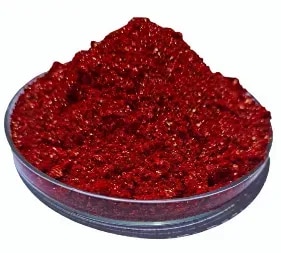
Sodium Salt of Ortho-Nitrophenol (also known as Sodium 2-nitrophenolate, CAS 824-39-5, C6H4NNaO3, MW 161.09 g/mol) is a high-solubility, dark red to orange crystalline powder. Synthesized by neutralizing ortho-nitrophenol with sodium hydroxide, this ionic compound combines the reactivity of a phenolate group with excellent water solubility (2,760mg/L at 20°C), making it far more versatile for aqueous formulations than its parent phenol. It acts as an exceptionally powerful cell-activating agent and biostimulant. The primary commercial application for Sodium Ortho-Nitrophenolate is in the agricultural industry as an active Plant Growth Regulator (PGR). It rapidly penetrates plant tissue to accelerate protoplasmic streaming, enhance photosynthetic intensity, break seed dormancy, and stimulate robust root development. It is widely used in foliar sprays, seed treatments, and compound fertilizers to improve yield, fruit setting, and crop resistance to environmental stresses like drought and cold. Beyond agriculture, it serves as a critical organic synthesis intermediate in the manufacturing of azo dyes, technical pigments, rubber antioxidants, and downstream pharmaceutical compounds. Classified under GHS and transport regulations as a hazardous material (UN 1663, Class 6.1, Packing Group III), it is harmful if swallowed or inhaled and causes notable skin and eye irritation. Standard industrial safety protocols require the use of protective gloves, safety eyewear, and respiratory equipment. It must be stored in a cool, well-ventilated warehouse space (ideally under 15°C), keeping containers tightly sealed against moisture and strictly separated from strong reducing or oxidizing agents. We provide premium industrial-grade Sodium Salt of Ortho-Nitrophenol with a guaranteed purity of 98.0% to 99.0% (HPLC/GC). Standard industrial packaging options include secure 25 kg fiber drums and moisture-proof HDPE bags. Customized packaging volumes, technical data sheets (TDS), and verification testing samples are readily available upon commercial request.

6814772a5d263414004dd4a4 Card 2

product image
Industrial Chemical

Para-Nitrophenol (4-Nitrophenol, CAS 100-02-7, C6H5NO3, MW 139.11 g/mol) is a premium-grade, crystalline organic compound extensively used as a versatile intermediate in chemical synthesis, pharmaceuticals, and agriculture. Appearing as light yellow to white crystals with a distinct phenolic odor, it features a melting point of 113°C to 115°C and a boiling point of 279°C. Unlike its ortho counterpart, it exhibits higher solubility in water (16 g/L at 25°C) and dissolves readily in ethanol, ether, and chloroform. This compound serves as a cornerstone molecule across multiple manufacturing sectors. In the pharmaceutical industry, it is a critical precursor for synthesizing active ingredients like acetaminophen (paracetamol) and various phenetidine derivatives. In agrochemicals, it is widely utilized to manufacture organophosphate insecticides and crop protection agents. Additionally, Para-Nitrophenol serves as a pH indicator in analytical chemistry (shifting from colorless to yellow in alkaline solutions) and acts as an intermediate for leather-treating chemicals and specialized dyestuffs. Classified under GHS regulations (UN 1663, Class 6.1, Packing Group III), Para-Nitrophenol is toxic if swallowed and harmful in contact with skin or if inhaled (H301, H312, H332). It can cause serious eye irritation and may cause damage to organs through prolonged exposure. Standard safety protocols mandate handling with chemical-resistant gloves and protective eyewear in well-ventilated spaces. Secure storage requires a cool, dry, locked environment away from incompatible substances like strong oxidizing agents and strong bases. We supply high-purity Para-Nitrophenol 99.0% by GC) tailored for commercial manufacturing and R&D applications. Standard packaging includes durable 25 kg fiber drums and lined HDPE bags, with custom bulk quantities and evaluation samples available upon request to match your technical requirements.

6814772a5d263414004dd4a4 Card 2

product image
Industrial Chemical

Ortho-Nitrophenol (2-Nitrophenol, CAS 88-75-5, C6H5NO3, MW 139.11 g/mol) is a high-purity, yellow crystalline organic compound widely utilized as a key synthesis intermediate across the pharmaceutical, agrochemical, and dyestuff industries. Characterized by its distinct sweetish aromatic odor, a melting point range of 44°C to 45°C, and a boiling point of 214°C, this compound is slightly soluble in cold water but highly soluble in organic solvents like ethanol, ether, and benzene. In industrial manufacturing, Ortho-Nitrophenol is a critical precursor for the production of azo and sulfur dyes, paper colorants, and rubber chemicals. In the agricultural sector, it serves as an essential building block for manufacturing high-efficiency fungicides and plant growth regulators. Furthermore, its chemical structure is vital for synthesizing active pharmaceutical ingredients (APIs), including various analgesics and sedatives. As a GHS-classified hazard (UN 1663, Class 6.1, Packing Group III), it is registered as harmful if swallowed, and can cause respiratory, skin, and serious eye irritation (H302, H315, H319, H335). It must be handled with appropriate personal protective equipment (PPE) in a well-ventilated area. Store the material in a cool, dry, and locked warehouse, away from direct sunlight, open flames, strong bases, and strong oxidizing agents. We offer Ortho-Nitrophenol in premium Technical, Synthesis, and Reagent grades with a guaranteed purity of 99.0% (GC). Standard packaging options include robust 25 kg fiber drums and secure HDPE bags, with customized bulk packaging and research-grade samples available upon request to meet your specific commercial and manufacturing needs.

6814772a5d263414004dd4a4 Card 2

product image
Agricultural Chemicals

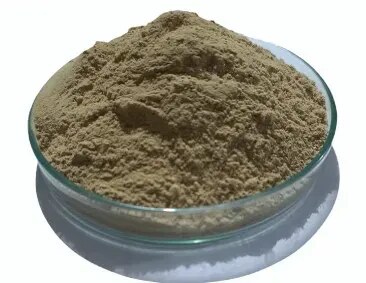
2-Methoxy-5-Nitrophenol, also known as 5-Nitroguaiacol (CAS 636-93-1), is a high-purity, professional-grade organic intermediate and plant growth regulator (PGR). Possessing the molecular formula C7H7NO4 and a molecular weight of 169.13 g/mol, this technical-grade chemical is supplied as a yellow to light brown crystalline powder with a minimum purity of 99.0%. It is highly soluble in polar organic solvents, such as ethanol, methanol, and acetone, while exhibiting moderate to slight solubility in water. It serves as a vital active ingredient and foundational building block in both advanced agrochemical synthesis and pharmaceutical development. In agricultural applications, 2-Methoxy-5-Nitrophenol acts as a powerful, cell-activating biostimulant. It is most famously utilized to manufacture its water-soluble sodium salt, Sodium 5-Nitroguaiacolate, which serves as a vital component in elite plant growth regulator mixtures (such as Compound Sodium Nitrophenolate / Atonik). At the physiological level, this compound rapidly penetrates plant tissues to accelerate intracellular protoplasmic streaming, enhance enzymatic activity, and stimulate protein synthesis. This results in faster seed germination, enhanced root development, improved chlorophyll synthesis, and superior fruit-set. Additionally, it strengthens crop defenses against abiotic stressors such as drought, frost, and salinity. In the pharmaceutical and specialty chemical industries, this compound functions as an essential intermediate in the synthesis of complex active pharmaceutical ingredients (APIs), including tyrosine kinase inhibitors, and other fine chemicals. For optimal stability and to prevent chemical degradation, 2-Methoxy-5-Nitrophenol must be stored in a cool, dry, and well-ventilated area, sealed in airtight containers away from direct sunlight, heat sources, and moisture. Standard biochemical safety precautions, including appropriate personal protective equipment, must be used during handling.

Subcategory Tags

Phone Number

08048034847

Please keep 0 before dialling the number.

Email Address buha@sahkarpharma.com

Mon-Thu: 10 AM - 2 PM • Fri: 3 PM - 7AM

Other Website Visit our other website
Address Plot No. 38A/1, F- Road Phase 1, Vatva, G. I. D. C, Ahmedabad - 382445, Gujarat, India

Ahmedabad, India, 382445