
Ahmedabad
08048034847

Products

6814772a5d263414004dd4a4 Card 2

product image
Agricultural Chemicals

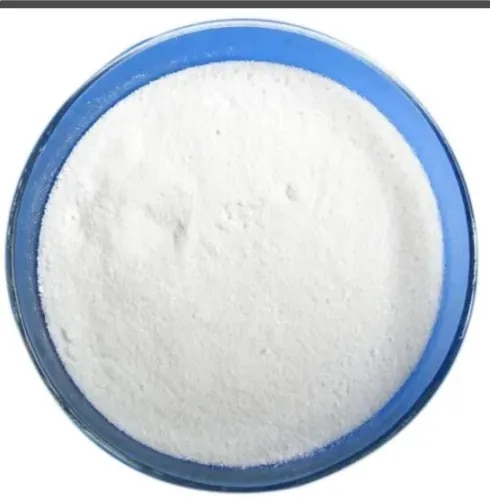
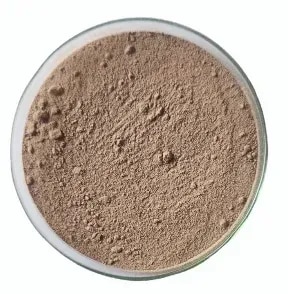
Forchlorfenuron (CPPU), identified by CAS number 68157-60-8, is an exceptionally potent, highly effective plant growth regulator (PGR) belonging to the cytokinin class. Featuring the chemical formula C12H10ClN3O and a molecular weight of 247.68 g/mol, our premium technical-grade CPPU is supplied as a white to off-white crystalline powder with a guaranteed purity profile of 99.0%. While practically insoluble in water, it dissolves readily in organic solvents such as ethanol, acetone, and dimethyl sulfoxide (DMSO). It is a highly sought-after active ingredient for manufacturers, agronomists, and commercial growers seeking to dramatically optimize crop yield, fruit quality, and market value. Biochemically, CPPU acts as a highly active synthetic cytokinin that accelerates cell division, cell elongation, and tissue differentiation. By working synergistically with endogenous plant hormones, it promotes lateral bud development, breaks apical dominance, delays leaf senescence, and directs the flow of vital nutrients directly to sink tissues, particularly developing fruits. CPPU is globally renowned for its ability to significantly increase the physical size, weight, and uniform shape of high-value crops—most notably table grapes, kiwi, melons, cherries, apples, and cucumbers—without compromising the natural sugar-to-acid ratio or the post-harvest storage life of the produce. In commercial agriculture, Forchlorfenuron is applied in extremely low, highly precise dosages (often at parts-per-million levels) to prevent physiological fruit drop and ensure reliable fruit setting under unfavorable weather conditions. It is widely formulated into liquid concentrates, soluble powders, or combined with gibberellic acid (GA) to yield highly effective synergistic growth-promoting solutions. To maintain its maximum chemical integrity, CPPU should be stored in a cool, dry, and dark warehouse in tightly sealed containers protected from heat, light, and moisture.
6814772a5d263414004dd4a4 Card 2

product image
Agricultural Chemicals

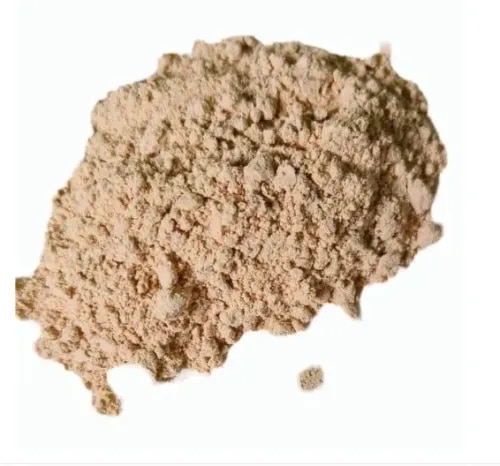
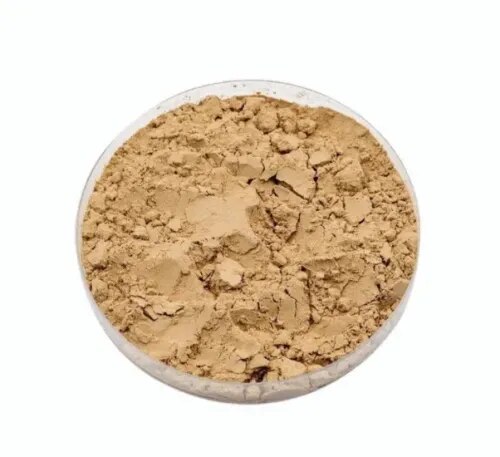
Indole-3-Butyric Acid (IBA), identified by CAS number 133-32-4, is a premier, highly stable plant growth regulator (PGR) belonging to the auxin family. Possessing the chemical formula C12H13NO2 and a molecular weight of 203.24 g/mol, this white to light-yellow crystalline powder is supplied at a technical-grade purity profile of 99.0%. While IBA is insoluble in water, it dissolves readily in organic solvents such as ethanol, acetone, and alkaline solutions (like sodium hydroxide). Due to its enhanced chemical stability compared to other native auxins, IBA is globally recognized as the industry-standard active ingredient for commercial rooting formulations, agricultural biostimulants, and plant micropropagation. Biochemically, IBA acts as a powerful initiator of cell division and elongation, with a specific, high-affinity efficacy for root morphogenesis. Unlike other auxins that degrade quickly under light or heat, IBA remains localized at the site of application longer, ensuring sustained physiological action. Its primary commercial application is inducing adventitious root formation. It is widely formulated into commercial rooting powders, gels, and liquid concentrates to accelerate root development in herbaceous and woody stem cuttings, significantly improving strike rates and reducing nursery production cycles. Beyond cloning, IBA is utilized in field agriculture and horticulture via seed-soaking treatments and transplant drenches to build robust, deeply branched root systems. This advanced root architecture directly enhances nutrient and water uptake, boosts overall plant vigor, and increases resistance to transplant shock and environmental stress. Furthermore, it can be applied in low concentrations to promote fruit-setting and prevent premature fruit drop in crops like tomatoes, peppers, and tree fruits. In plant tissue culture, it serves as a critical ingredient in rooting media. For extended stability, IBA should be stored in a cool, dark, and dry environment in tightly sealed containers.

6814772a5d263414004dd4a4 Card 2

product image
Agricultural Chemicals

Indole-3-Acetic Acid (IAA), also traditionally referred to as Heteroauxin (CAS 87-51-4), is a premium-grade, highly pure plant growth regulator (PGR) belonging to the auxin class. Featuring a molecular formula of C10H9NO2 and a molecular weight of 175.18 g/mol, this white to off-white or light yellow crystalline powder is offered at a guaranteed purity profile of 99.0%. It is highly soluble in polar organic solvents, such as ethanol, methanol, and alkaline solutions (like aqueous sodium hydroxide), while remaining virtually insoluble in water. This technical-grade active ingredient serves as an indispensable tool for commercial agrochemical blending, plant tissue culture applications, and advanced horticultural cultivation. As the primary naturally occurring auxin, IAA functions as a master orchestrator of plant morphogenesis and physiological dynamics. At the cellular level, it directly induces cell division, cell elongation, and tissue differentiation. By regulating polar auxin transport and gene transcription, IAA controls apical dominance, coordinates phototropism and gravitropism, and works synergistically with cytokinins to direct root-versus-shoot initiation. Its chief commercial utility lies in its unparalleled ability to promote adventitious root formation, making it the premier choice for formulating root-induction powders, rooting hormones for vegetative stem cuttings, and seed-soaking treatments that ensure rapid, uniform establishment. Furthermore, IAA is widely incorporated into custom foliar sprays and liquid biostimulants to encourage uniform flowering, maximize fruit-set, and manage precise fruit thinning across high-value cash crops, fruits, vegetables, and ornamentals. In vitro, it serves as a critical media component in micropropagation laboratories to drive callus formation and embryogenesis. Because IAA is highly sensitive to light and thermal degradation, it should be handled with care and stored in airtight, amber, or opaque containers in a cool, dark environment for extended shelf life). Standard biochemical safety handling precautions must be observed during the blending and formulation phases.

6814772a5d263414004dd4a4 Card 2

product image
Agricultural Chemicals

2,3,5-Triiodobenzoic Acid (TIBA) is a highly specialized, technical-grade plant growth regulator (PGR) and anti-auxin agent widely utilized in advanced agricultural applications, agrochemical manufacturing, and plant tissue culture research. Possessing the chemical formula C7H3I3O2 and a molecular weight of 499.81g/mol, this white to off-white or light brown crystalline powder features a guaranteed purity profile of 99.0%. TIBA is characterized by its high solubility in organic solvents like ethanol, methanol, and alkaline solutions (such as sodium or potassium hydroxide), while remaining completely insoluble in water. Biochemically, TIBA acts as a classic, non-competitive inhibitor of polar auxin transport. By disrupting the directional intracellular flow of indole-3-acetic acid (IAA) through plant tissues, it effectively alters the plant's hormonal signaling pathways. This anti-auxin activity makes it an invaluable tool for controlling apical dominance. When applied at low concentrations, it suppresses top growth and induces dwarfing, which redirects metabolic energy toward lateral buds and tillers. This modification of the crop canopy prevents lodging, encourages structural stability, and maximizes overall crop yield and light interception. In addition to structural management, TIBA serves as a powerful agent for reproductive manipulation. Depending on the concentration and application timing, it can stimulate flowering, induce bud formation, alter the ratio of male-to-female flowers, or be deployed for precise fruit setting and thinning in crops like wheat, tomatoes, ornamentals, and tree fruits. In tissue culture laboratories, it is frequently used to study morphological polarity and suppress somatic embryo formation. For processing and storage, TIBA is highly stable under standard ambient conditions but must be kept in tightly sealed containers protected from direct light and moisture. Safety precautions should be observed during formulation blending, as it is classified as a biochemical irritant.

6814772a5d263414004dd4a4 Card 2

product image
Agricultural Chemicals

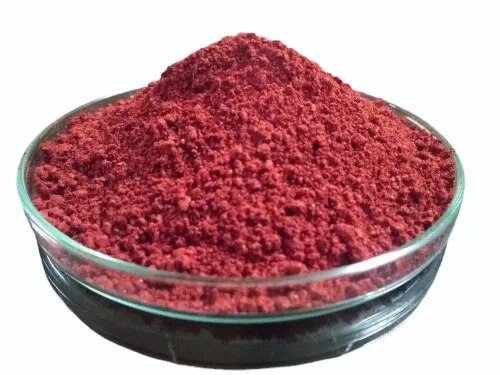
Sodium 5-Nitroguaiacolate (CAS 67233-85-6), also known as 5-Nitroguaiacol Sodium Salt, is a highly potent, professional-grade plant growth regulator (PGR) and cell-activating biostimulant. Boasting a molecular formula of C7H6NO4Na and a pure molecular weight of 191.12g/mol, this compound typically presents as a red to dark red or brown crystalline powder with a guaranteed purity of 99.0% or higher. Because of its high water solubility, it integrates seamlessly into modern liquid fertilizing solutions, soluble powders, and agricultural crop formulations. As a core active ingredient, Sodium 5-Nitroguaiacolate operates by rapidly penetrating plant leaves, stems, and seeds to accelerate intracellular protoplasmic streaming. By increasing cell vitality, boosting ATP translocation, and speeding up protein synthesis, it enhances the plant's overall metabolic rate. This results in faster seed germination, enhanced root development, healthier vegetative growth, and improved fruit-set and pollen tube elongation. Furthermore, it acts as a robust defense mechanism against abiotic stresses like drought, frost, salinity, and heat by optimizing cell turgidity and overall plant vigor. In commercial agriculture, it is extensively used as a primary component in multi-nitro compound biostimulants (such as Atonik) on a wide range of food, cash, and ornamental crops, including vegetables, fruits, cotton, and grain crops. Its compatibility with other active ingredients, including sodium o-nitrophenolate, sodium p-nitrophenolate, and traditional chemical fertilizers, makes it a highly versatile formulation agent. It is applied at extremely low, highly cost-effective dosages to yield maximum agronomic efficacy. For safe handling, it must be stored in a cool, dark, and dry environment, in tightly sealed containers to avoid direct degradation.

6814772a5d263414004dd4a4 Card 2

product image
Agricultural Chemicals

N-Acetyl-Thiazolidine-4-Carboxylic Acid (NATCA), also widely known as Folcisteine (CAS 5025-82-1), is a premium-grade plant growth regulator and metabolic biostimulant designed for high-performance agricultural formulations. Featuring a molecular formula of C6H9NO3S and a guaranteed purity of 98.0% or higher, this white to off-white crystalline powder is highly water-soluble and engineered to meet the strictest industry standards for chemical stability and biological efficacy. Once absorbed by crops, NATCA acts as a vital metabolic precursor, enzymatically converting into L-cysteine and essential thiol derivatives inside plant tissues. This biochemical pathway directly accelerates plant metabolism, boosts protein synthesis, and stimulates the production of powerful natural antioxidants like glutathione. Consequently, plants can conserve metabolic energy and channel it toward robust vegetative growth, stronger root development, and enhanced reproductive phases. This process minimizes premature fruit or flower drop while noticeably improving fruit-set, uniform sizing, and overall crop quality. Beyond promoting growth, NATCA serves as a powerful shield against abiotic stress. By maintaining cellular osmotic balance, it helps crops withstand extreme environmental pressures such as drought, high salinity, frost, and heat. It is an exceptionally versatile formulation ingredient that exhibits superb synergistic compatibility with other agricultural biostimulants, including amino acids, humic acids, and key micronutrients, making it an ideal additive for premium foliar sprays, liquid fertilizers, and fertigation blends. For manufacturing and commercial use, NATCA is highly recommended for liquid foliar fertilizers, water-soluble powders, and seed treatments, typically integrated at a formulation concentration of 5% to 10%. To maintain its maximum shelf life, prevent clumping, and avoid chemical degradation, the product should be stored in a cool, dry, and well-ventilated warehouse, kept in tightly sealed containers protected from moisture and direct sunlight.

Subcategory Tags

Phone Number

08048034847

Please keep 0 before dialling the number.

Email Address buha@sahkarpharma.com

Mon-Thu: 10 AM - 2 PM • Fri: 3 PM - 7AM

Other Website Visit our other website
Address Plot No. 38A/1, F- Road Phase 1, Vatva, G. I. D. C, Ahmedabad - 382445, Gujarat, India

Ahmedabad, India, 382445