Indole 3 Acetic Acid (IAA)
Description
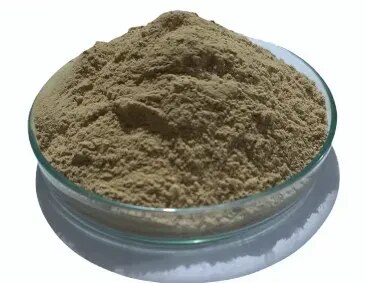
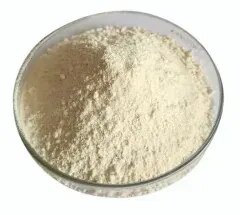
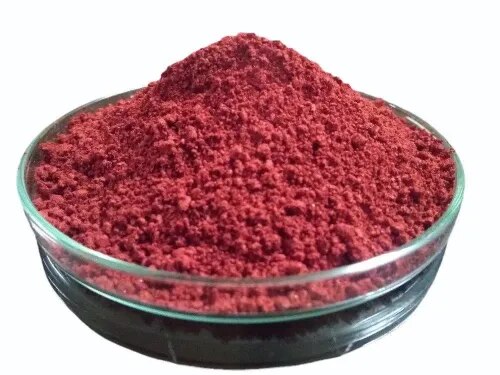
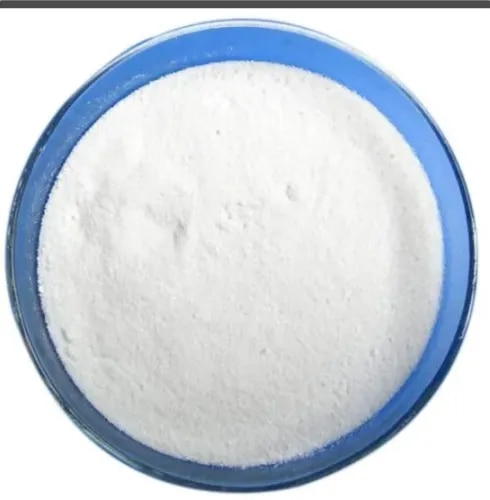
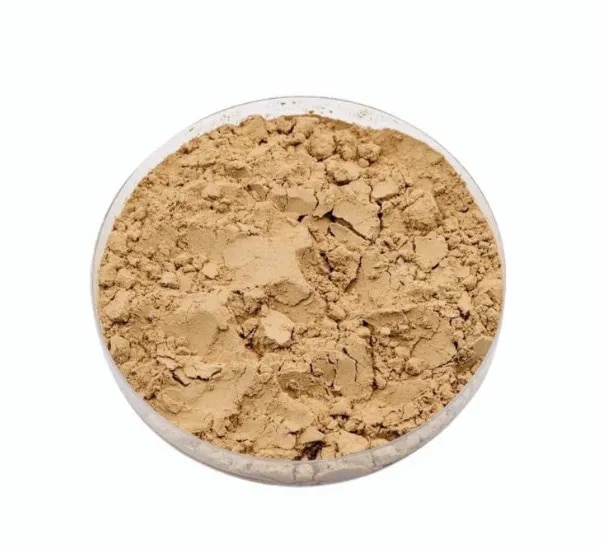
Indole-3-Acetic Acid (IAA), also traditionally referred to as Heteroauxin (CAS 87-51-4), is a premium-grade, highly pure plant growth regulator (PGR) belonging to the auxin class. Featuring a molecular formula of C10H9NO2 and a molecular weight of 175.18 g/mol, this white to off-white or light yellow crystalline powder is offered at a guaranteed purity profile of 99.0%. It is highly soluble in polar organic solvents, such as ethanol, methanol, and alkaline solutions (like aqueous sodium hydroxide), while remaining virtually insoluble in water. This technical-grade active ingredient serves as an indispensable tool for commercial agrochemical blending, plant tissue culture applications, and advanced horticultural cultivation. As the primary naturally occurring auxin, IAA functions as a master orchestrator of plant morphogenesis and physiological dynamics. At the cellular level, it directly induces cell division, cell elongation, and tissue differentiation. By regulating polar auxin transport and gene transcription, IAA controls apical dominance, coordinates phototropism and gravitropism, and works synergistically with cytokinins to direct root-versus-shoot initiation. Its chief commercial utility lies in its unparalleled ability to promote adventitious root formation, making it the premier choice for formulating root-induction powders, rooting hormones for vegetative stem cuttings, and seed-soaking treatments that ensure rapid, uniform establishment. Furthermore, IAA is widely incorporated into custom foliar sprays and liquid biostimulants to encourage uniform flowering, maximize fruit-set, and manage precise fruit thinning across high-value cash crops, fruits, vegetables, and ornamentals. In vitro, it serves as a critical media component in micropropagation laboratories to drive callus formation and embryogenesis. Because IAA is highly sensitive to light and thermal degradation, it should be handled with care and stored in airtight, amber, or opaque containers in a cool, dark environment for extended shelf life). Standard biochemical safety handling precautions must be observed during the blending and formulation phases.