N Acetyl Thiazolidine-4-Carboxylic Acid (NATCA)
Description
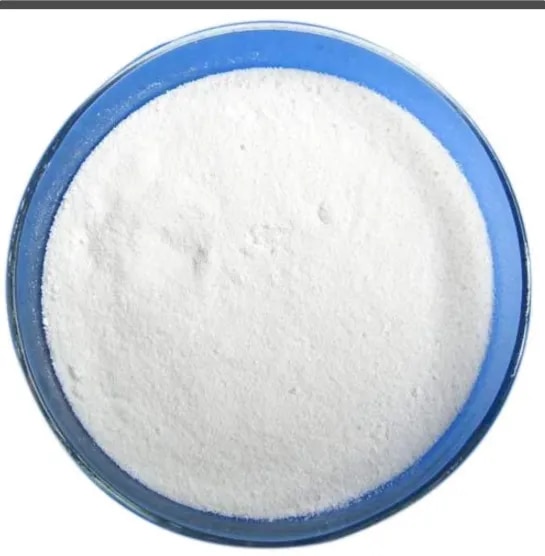
N-Acetyl-Thiazolidine-4-Carboxylic Acid (NATCA), also widely known as Folcisteine (CAS 5025-82-1), is a premium-grade plant growth regulator and metabolic biostimulant designed for high-performance agricultural formulations. Featuring a molecular formula of C6H9NO3S and a guaranteed purity of 98.0% or higher, this white to off-white crystalline powder is highly water-soluble and engineered to meet the strictest industry standards for chemical stability and biological efficacy. Once absorbed by crops, NATCA acts as a vital metabolic precursor, enzymatically converting into L-cysteine and essential thiol derivatives inside plant tissues. This biochemical pathway directly accelerates plant metabolism, boosts protein synthesis, and stimulates the production of powerful natural antioxidants like glutathione. Consequently, plants can conserve metabolic energy and channel it toward robust vegetative growth, stronger root development, and enhanced reproductive phases. This process minimizes premature fruit or flower drop while noticeably improving fruit-set, uniform sizing, and overall crop quality. Beyond promoting growth, NATCA serves as a powerful shield against abiotic stress. By maintaining cellular osmotic balance, it helps crops withstand extreme environmental pressures such as drought, high salinity, frost, and heat. It is an exceptionally versatile formulation ingredient that exhibits superb synergistic compatibility with other agricultural biostimulants, including amino acids, humic acids, and key micronutrients, making it an ideal additive for premium foliar sprays, liquid fertilizers, and fertigation blends. For manufacturing and commercial use, NATCA is highly recommended for liquid foliar fertilizers, water-soluble powders, and seed treatments, typically integrated at a formulation concentration of 5% to 10%. To maintain its maximum shelf life, prevent clumping, and avoid chemical degradation, the product should be stored in a cool, dry, and well-ventilated warehouse, kept in tightly sealed containers protected from moisture and direct sunlight.