2,3,5 Triiodo Benzoic acid
Description
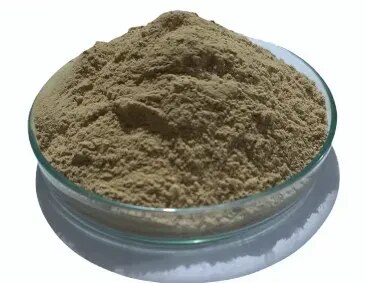
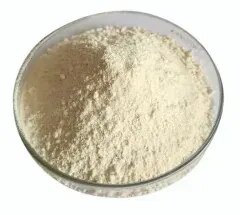
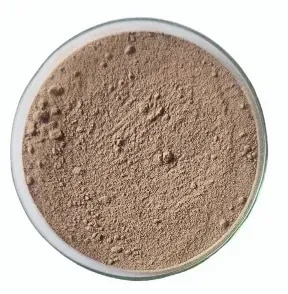
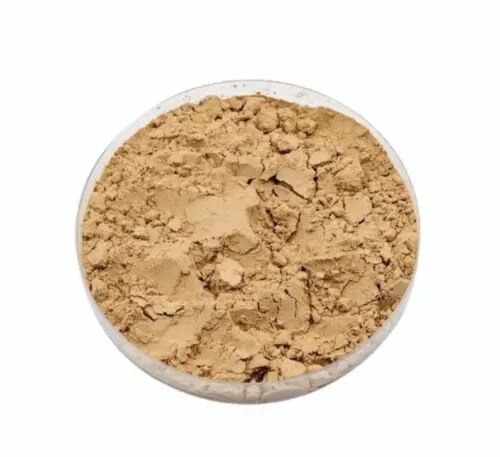
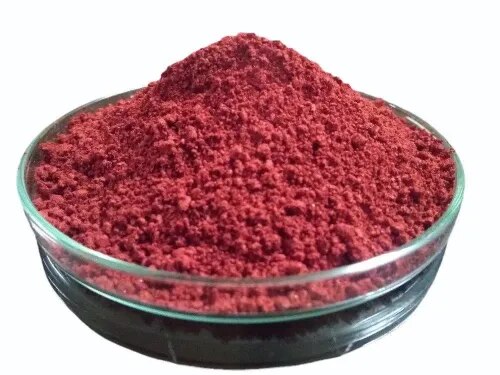
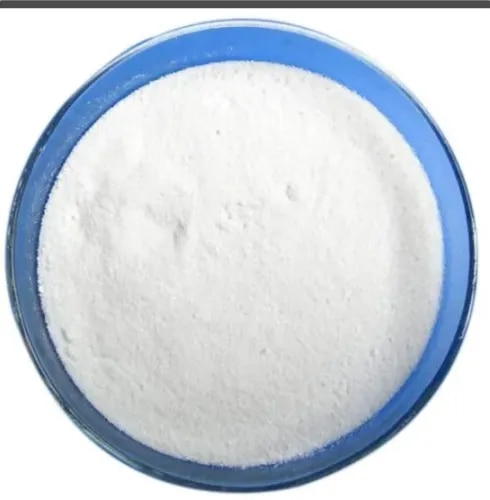
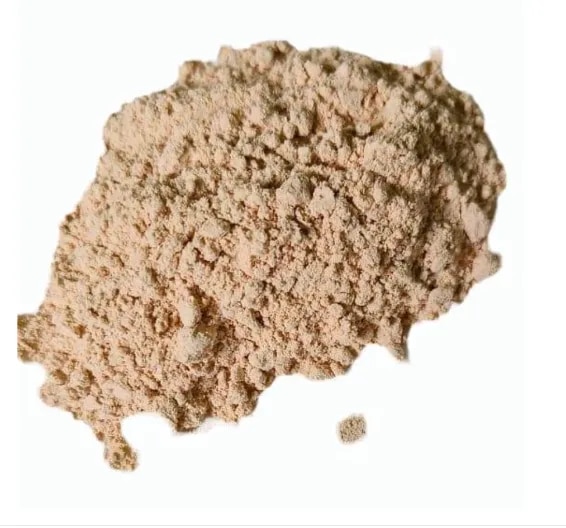
2,3,5-Triiodobenzoic Acid (TIBA) is a highly specialized, technical-grade plant growth regulator (PGR) and anti-auxin agent widely utilized in advanced agricultural applications, agrochemical manufacturing, and plant tissue culture research. Possessing the chemical formula C7H3I3O2 and a molecular weight of 499.81g/mol, this white to off-white or light brown crystalline powder features a guaranteed purity profile of 99.0%. TIBA is characterized by its high solubility in organic solvents like ethanol, methanol, and alkaline solutions (such as sodium or potassium hydroxide), while remaining completely insoluble in water. Biochemically, TIBA acts as a classic, non-competitive inhibitor of polar auxin transport. By disrupting the directional intracellular flow of indole-3-acetic acid (IAA) through plant tissues, it effectively alters the plant's hormonal signaling pathways. This anti-auxin activity makes it an invaluable tool for controlling apical dominance. When applied at low concentrations, it suppresses top growth and induces dwarfing, which redirects metabolic energy toward lateral buds and tillers. This modification of the crop canopy prevents lodging, encourages structural stability, and maximizes overall crop yield and light interception. In addition to structural management, TIBA serves as a powerful agent for reproductive manipulation. Depending on the concentration and application timing, it can stimulate flowering, induce bud formation, alter the ratio of male-to-female flowers, or be deployed for precise fruit setting and thinning in crops like wheat, tomatoes, ornamentals, and tree fruits. In tissue culture laboratories, it is frequently used to study morphological polarity and suppress somatic embryo formation. For processing and storage, TIBA is highly stable under standard ambient conditions but must be kept in tightly sealed containers protected from direct light and moisture. Safety precautions should be observed during formulation blending, as it is classified as a biochemical irritant.